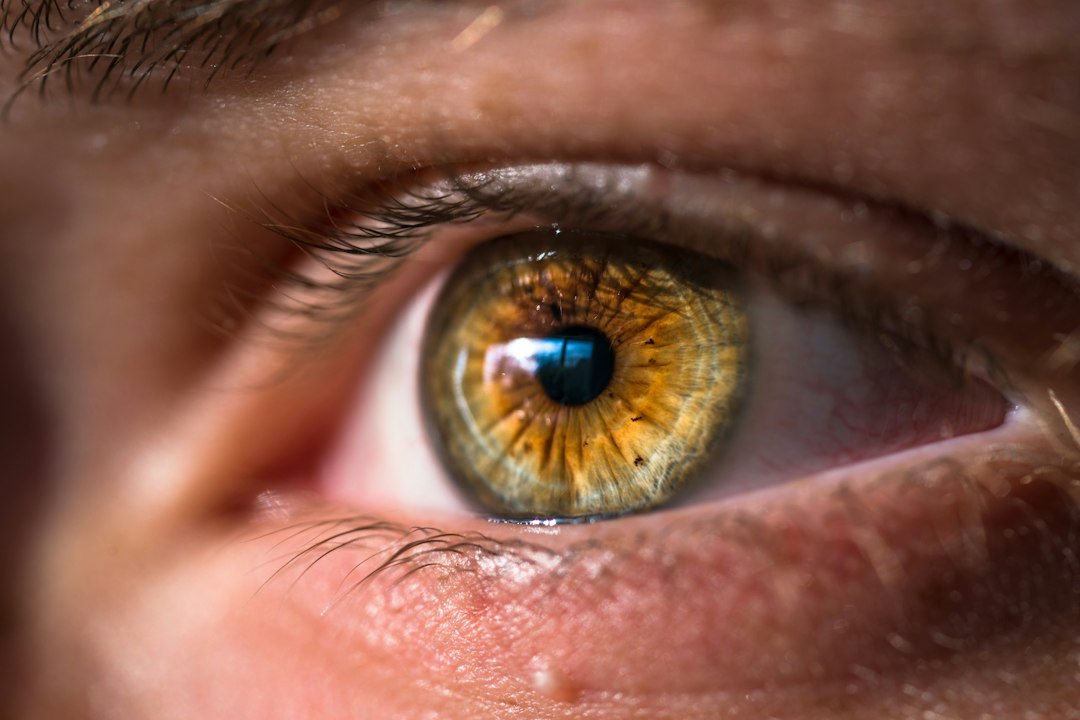
- Yes, astigmatism can get worse. This is a common and important question, and the short answer is that astigmatism isn’t always static. While it’s often considered a stable refractive error, recent insights from ophthalmology show that both the prevalence and severity of astigmatism can indeed change, particularly in children and older adults. Understanding these potential shifts is key to managing your eye health effectively.
Understanding Astigmatism’s Nature
Astigmatism is a common vision condition caused by an imperfectly curved cornea (the clear front surface of your eye) or lens inside your eye. Instead of being perfectly spherical, like a basketball, it’s often shaped more like a football. This uneven curve means light entering your eye doesn’t focus properly on a single point on your retina, leading to blurry or distorted vision at all distances.
The Basics of How Astigmatism Works
Imagine looking at a clock face: with astigmatism, some lines might appear sharper or darker than others. This is because the eye has different focusing powers in different directions. For example, the vertical lines might focus clearly, while horizontal lines appear blurry. This happens because the light rays entering the eye are refracted differently along different meridians (like different lines on a globe).
Different Types of Astigmatism
There are primarily three types of astigmatism:
- Myopic Astigmatism: One or both principal meridians are nearsighted.
- Hyperopic Astigmatism: One or both principal meridians are farsighted.
- Mixed Astigmatism: One principal meridian is nearsighted, and the other is farsighted.
Additionally, astigmatism can be further categorized based on its location:
- Corneal Astigmatism: This is the most common type, where the cornea has an irregular shape.
- Lenticular Astigmatism: This occurs when the lens inside the eye has an irregular curvature.
Knowing the type and location can sometimes give clues about potential changes, though the general principles of worsening apply broadly.
Astigmatism is a common refractive error that can change over time, leading many to wonder if it can worsen. For those seeking more information on this topic, a related article discusses various factors that can influence the progression of astigmatism and offers insights into management options. You can read more about it in this article: Understanding Astigmatism and Its Progression.
Childhood and Astigmatism Progression
One of the most significant areas where astigmatism is observed to change is during childhood. It’s not just that children are diagnosed with it; there’s evidence suggesting that their astigmatism can actually increase in severity over time.
Recent Trends in Childhood Astigmatism
Recent ophthalmology coverage has highlighted an concerning trend: an observed increase in both the prevalence and severity of astigmatism in children. This isn’t just anecdotal; studies are painting a clearer picture of these changes. For instance, a large-scale study conducted in Hong Kong revealed some striking statistics regarding astigmatism in schoolchildren, particularly in the wake of the COVID-19 pandemic.
The Impact of the Pandemic on Children’s Eyes
The Hong Kong study provided compelling data on how recent global events might have influenced children’s eyesight. Before the pandemic, the study noted that the prevalence of refractive astigmatism of at least 1.0 D (diopter, a unit of measurement for lens power) was around 21.4%. However, after the pandemic, this figure jumped significantly to 34.7%.
Similarly, corneal astigmatism, which specifically relates to the curvature of the eye’s front surface, also saw an increase. It rose from 59.8% to 64.7%. These numbers clearly indicate a notable shift in the landscape of childhood astigmatism. The study also concluded that the pandemic was associated with a 20% higher risk of refractive astigmatism and a 26% higher risk of corneal astigmatism in schoolchildren. This suggests that the circumstances surrounding the pandemic played a role, though the exact mechanisms are still being explored.
Lifestyle Factors and Childhood Astigmatism
Researchers and commentary on these trends have strongly linked the observed increase in childhood astigmatism to significant lifestyle changes brought about by the pandemic. While these are associations and not always proven single causes, the connections are compelling:
- More Near Work: With schools moving online and increased time spent indoors, children engaged in more activities that required close-up vision, such as reading, drawing, and schoolwork on screens. Prolonged near work is known to strain the eyes and can influence refractive errors.
- Increased Screen Time: This is perhaps one of the most frequently cited factors. Children spent more hours on digital devices for education, entertainment, and social connection. The blue light, reduced blinking rates, and sustained focus required by screens can contribute to eye strain and potentially influence eye development.
- Less Outdoor Exposure: Lockdowns and restrictions on movement meant children spent considerably less time outdoors. Sunlight exposure, particularly its intensity and spectrum, is believed to play a protective role against the development and progression of refractive errors like myopia (nearsightedness) and potentially astigmatism. Outdoor activity also encourages distance viewing, giving the eyes a break from constant near focus.
It’s important to remember that these are likely interconnected factors rather than isolated causes. The holistic shift in daily routines likely contributed to the observed changes in children’s vision.
Other Influences on Pediatric Astigmatism
Beyond lifestyle changes, other physiological factors can also influence astigmatism in children. One interesting area of research suggests that obesity-related eyelid pressure on the cornea might play a role. When eyelids exert abnormal pressure on the eye, it can subtly reshape the cornea over time, potentially worsening or inducing astigmatism. This highlights the complex interplay of various bodily systems and their impact on eye health, even in conditions that seem purely optical.
Adult Astigmatism: When Changes Occur
While childhood is a period of significant development and potential change for astigmatism, adults are not immune to shifts in their prescription. Astigmatism can evolve throughout life, sometimes subtly and other times more noticeably, particularly as we age.
Mid-Life and Beyond: The Shifting Eye
Optometry reporting on ocular astigmatism trends indicates that significant changes can occur in adults, especially after the mid-40s. Some shifts might even become more pronounced later, in the mid-50s and beyond. These changes are part of the natural aging process of the eye and its components.
Lens Changes and Astigmatism
As we age, the crystalline lens inside our eye undergoes changes. It can become less flexible and sometimes denser, leading to what’s known as lenticular astigmatism or changes in existing astigmatism. The hardening of the lens, a process called “nuclear sclerosis,” is a common age-related change that can affect the refractive power of the eye, including the astigmatic component.
Corneal Remodeling Over Time
Even the cornea, while generally stable in adulthood, can undergo subtle remodeling over decades. Factors like chronic dry eye, eyelid pressure from conditions like blepharitis, or even long-term contact lens wear (though less common with modern lenses) can, in rare cases, contribute to minor changes in corneal shape and thus astigmatism. However, these changes are often less dramatic than those seen in the lens.
Cataract Development and Astigmatism
One of the most significant age-related factors that can influence astigmatism is the development of cataracts. A cataract is a clouding of the eye’s natural lens. As cataracts progress, they can induce or worsen astigmatism, as the cloudy lens itself becomes irregularly shaped or changes its refractive properties unevenly. This is a common reason why older adults might notice their astigmatism prescription changing more rapidly or significantly.
Management and Correction of Astigmatism
Whether your astigmatism is stable or changing, effective management and correction are crucial for maintaining good vision. The good news is there are several reliable options available.
Standard Correction Methods
The most common ways to correct astigmatism include:
- Eyeglasses: Lenses for astigmatism (called toric lenses) have a different curvature in different meridians to compensate for the eye’s irregular shape. This is the simplest and most widely used method.
- Contact Lenses: Special toric contact lenses are designed to correct astigmatism. They are weighted or shaped in a way that keeps them from rotating on the eye, ensuring the astigmatic correction stays in the correct orientation.
- Refractive Surgery (LASIK, PRK): These surgical procedures reshape the cornea using a laser to correct the irregular curvature. They can be very effective in reducing or eliminating astigmatism for many individuals, offering a more permanent solution.
Addressing Progressive Astigmatism
If your astigmatism is getting worse, especially if it’s changing rapidly or significantly, your eye care professional will want to investigate the underlying cause. While gradual changes in adulthood are often age-related, sudden or rapid worsening can sometimes indicate other conditions, such as keratoconus, a progressive thinning of the cornea.
For those with progressive astigmatism, particularly in children or young adults, consistent monitoring is key. Regular eye exams allow your optometrist or ophthalmologist to track changes and adjust prescriptions as needed. In some cases, specialized treatments like corneal cross-linking might be considered for conditions like keratoconus to stabilize the cornea and prevent further progression.
Astigmatism and Cataract Surgery
For older adults, cataract surgery presents a unique opportunity to address astigmatism simultaneously. One optometry source highlights that fully correcting or even slightly overcorrecting astigmatism during cataract surgery may help to counter possible future progression. This is because modern cataract surgery involves replacing the cloudy natural lens with an artificial intraocular lens (IOL). Many types of IOLs are available, including toric IOLs specifically designed to correct astigmatism.
By implanting a toric IOL, the surgeon can correct pre-existing astigmatism, and in some cases, strategically adjust the power to account for expected age-related shifts. This proactive approach can significantly improve visual outcomes and reduce the need for glasses or contact lenses after surgery, even as the eye continues its natural aging process. Discussing these options with your surgeon is vital if you’re considering cataract surgery.
Astigmatism is a common refractive error that can change over time, leading many to wonder if their condition can worsen. Understanding the factors that contribute to these changes is crucial for maintaining eye health. For more insights on this topic, you can read a related article that discusses the progression of astigmatism and its implications for vision correction. To explore this further, check out the article here.
When to See an Eye Care Professional
| Aspect | Details |
|---|---|
| Condition | Astigmatism |
| Definition | Irregular curvature of the cornea or lens causing blurred vision |
| Can it worsen? | Yes, astigmatism can worsen over time, especially during childhood or due to eye injury |
| Factors influencing worsening | Age, eye injury, eye surgery, keratoconus, or other corneal diseases |
| Typical progression | Usually stabilizes in adulthood but may change with certain conditions |
| Symptoms of worsening | Increased blurriness, headaches, eye strain, difficulty seeing at night |
| Treatment options | Glasses, contact lenses, refractive surgery, corneal cross-linking (for keratoconus) |
| When to see a doctor | If vision changes or symptoms worsen |
Regular eye exams are important for everyone, but they become even more critical if you suspect your astigmatism might be changing or worsening. Don’t wait until vision problems significantly impact your daily life.
Recognizing Warning Signs
Pay attention to any changes in your vision. These might include:
- Increased blurriness or distortion: If objects that once looked clear are now consistently blurry, or if straight lines appear wavy.
- More frequent headaches or eye strain: Your eyes might be working harder to compensate for uncorrected astigmatism.
- Difficulty seeing at night: Glare and halos around lights can worsen with uncorrected or changing astigmatism.
- Needing to squint more often: A common reflex to try and sharpen vision.
- Changes in your current glasses or contact lens comfort/effectiveness: If your current prescription no longer feels right, or if your contacts seem to shift or cause more discomfort.
The Importance of Routine Eye Exams
Even if you don’t notice any dramatic changes, routine comprehensive eye exams are essential. For adults, an exam every one to two years is generally recommended, depending on your age, risk factors, and existing conditions. For children, the frequency may be higher, especially if there’s a family history of eye conditions or if they’re showing signs of vision problems.
During an eye exam, your optometrist or ophthalmologist can:
- Measure your visual acuity: How well you see at various distances.
- Refraction: Determine your exact prescription for glasses or contact lenses, including the astigmatic component.
- Corneal topography: Map the curvature of your cornea, which is particularly useful for identifying and monitoring astigmatism.
- Evaluate overall eye health: Check for signs of other eye conditions, including those that might contribute to changing astigmatism, such as keratoconus or cataracts.
Early detection of changes allows for timely adjustments to your prescription or intervention with other treatments, helping you maintain the best possible vision and eye health throughout your life.
FAQs
Can astigmatism worsen over time?
Yes, astigmatism can worsen over time, especially during periods of rapid eye growth such as childhood and adolescence. It is important to have regular eye exams to monitor any changes in your astigmatism prescription.
What factors can contribute to the worsening of astigmatism?
Factors such as genetics, eye strain from prolonged use of digital devices, eye injuries, and certain medical conditions like keratoconus can contribute to the worsening of astigmatism.
Can untreated astigmatism lead to more serious eye problems?
Untreated astigmatism can lead to eye strain, headaches, and blurred vision. In some cases, severe astigmatism can cause amblyopia (lazy eye) or other vision problems if left uncorrected for a long period of time.
How can I prevent my astigmatism from getting worse?
To prevent astigmatism from worsening, it is important to follow your eye doctor’s recommendations for wearing corrective lenses or undergoing procedures like LASIK surgery. Additionally, taking breaks from digital screens, maintaining good eye health habits, and protecting your eyes from injury can help prevent worsening of astigmatism.
Is there a way to reverse astigmatism once it has worsened?
While there is no guaranteed way to reverse astigmatism once it has worsened, wearing corrective lenses or undergoing procedures like LASIK surgery can help improve vision and reduce the impact of astigmatism on your daily life.
Leave a Reply