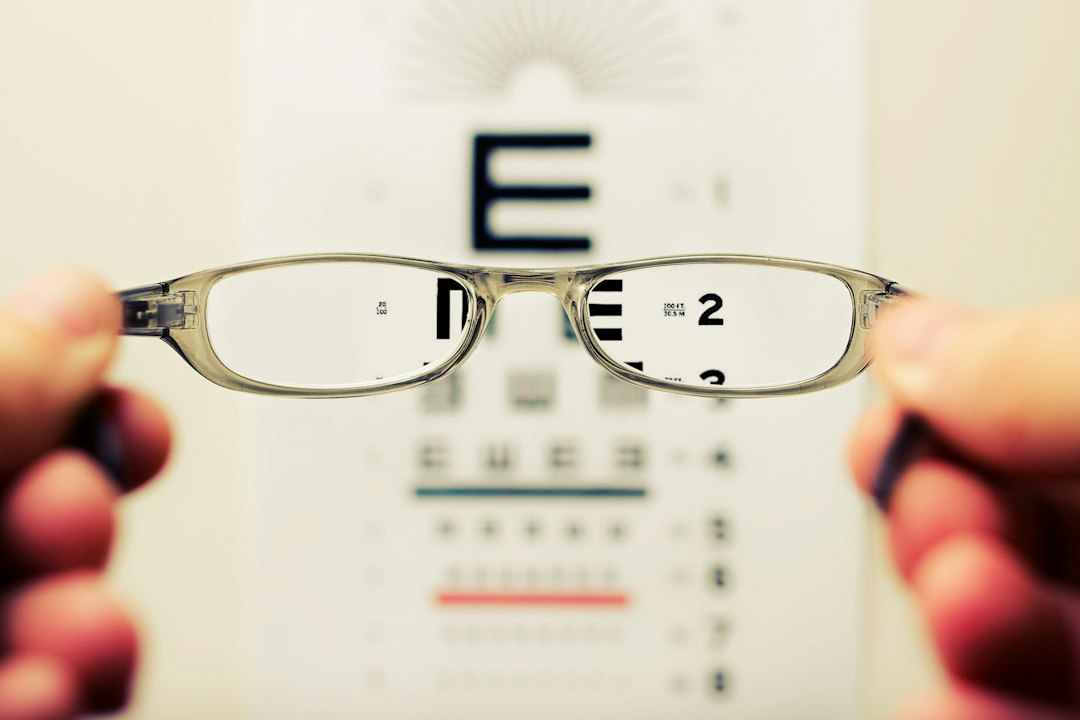
If you’re noticing that things far away aren’t quite as sharp as they used to be, but you can read a book just fine, you might be experiencing short-sightedness, also known as myopia. It’s pretty common, and essentially means your eye focuses light in front of your retina instead of directly on it, making distant objects look blurry. Here are 10 common signs that could point to it.
What Short-Sightedness Really Means for Your Vision
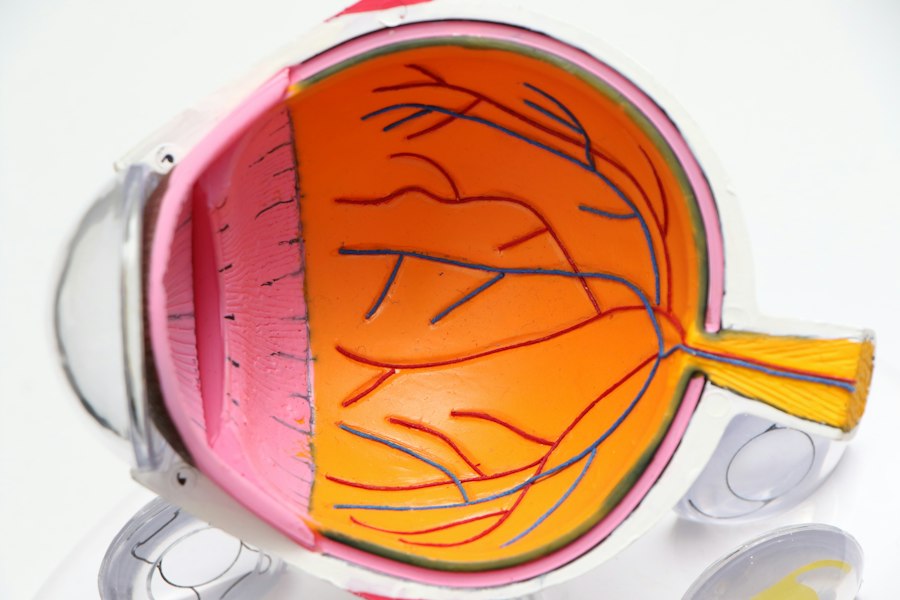
When we talk about short-sightedness, or myopia, we’re really talking about a refractive error. This isn’t a disease in the typical sense, but rather an issue with how your eye focuses light. Think of your eye as a camera: for a clear picture, the lens needs to focus light precisely onto the film (your retina). With myopia, either your eyeball is a bit too long from front to back, or the cornea (the clear front surface of your eye) is too curved. Either way, the light gets focused before it reaches the retina, causing distant objects to appear blurry. It’s why you can often see things up close perfectly well, but struggle with objects across the room or down the street. It’s a condition that’s becoming more prevalent, especially among younger populations, with modern lifestyles often cited as a contributing factor.
The Mechanism Behind Blurred Distance Vision
To dive a bit deeper into why distance vision gets blurry, imagine light rays from a faraway object. For someone with perfect vision, these parallel light rays enter the eye and are bent (refracted) by the cornea and lens, converging to a single, sharp point directly on the retina. The retina then converts this light into electrical signals sent to the brain, forming a clear image. In a myopic eye, however, this focusing power is either too strong for the eye’s length, or the eye is too long for its focusing power. So, those parallel light rays converge to a focal point in front of the retina. By the time the light rays reach the retina, they’ve already crossed and diverged, creating a blurred image. This means the further away an object is, the more pronounced the blur will be, as the light rays have more distance to diverge before hitting the retina. Close objects, on the other hand, produce divergent light rays that enter the eye. For a myopic eye, these divergent rays from nearby objects might converge perfectly on the retina, which explains why near vision remains clear. It’s a subtle but significant difference in optical alignment.
Why Myopia is on the Rise
It’s worth touching on why myopia seems to be popping up more frequently, particularly in children. While genetics play a role, environmental factors are getting a lot of attention. One major theory points to what’s often called “near work” – prolonged periods spent focusing on close-up tasks. Think about how much time many of us, especially kids, spend looking at screens: phones, tablets, computers, and TVs. This intense, sustained focus on close objects might be encouraging the eye to adapt by growing slightly longer, contributing to myopia.
Another significant factor is the lack of outdoor time. Studies suggest that spending time outdoors, particularly in natural light, might have a protective effect against myopia development and progression. It’s not fully understood why, but theories include the brighter light levels outdoors stimulating dopamine release in the retina, which can regulate eye growth, or simply the opportunity for the eyes to relax and focus on distant objects more often. So, while screens aren’t inherently “bad,” an imbalance between near work and outdoor activities appears to be a strong contender for the increasing rates of short-sightedness we’re seeing today.
If you’re looking to understand more about the symptoms of short-sightedness, you might find it helpful to read a related article that delves deeper into the condition and its effects on vision. This article provides valuable insights and tips for managing short-sightedness effectively. You can check it out here: Symptoms of Short Sightedness.
Key Signs That Point to Myopia
It’s easy to overlook subtle changes in your vision, especially if they develop gradually. But paying attention to these signs can help you catch myopia early and get the right help.
1. Blurred Distance Vision: The Classic Giveaway
This is pretty much the hallmark symptom of short-sightedness. You might find that street signs are fuzzy until you’re right up close, or that text on a whiteboard at the front of a meeting room is illegible. While things far away look like they’re in a soft-focus photo, anything you hold close to your face – a book, your phone, knitting – looks perfectly clear. It’s a clear distinction, and often the first thing people notice. If you’re struggling to make out details across a room or identify faces from a distance, that’s a strong indicator. For children, this might manifest as difficulty seeing the ball during sports or struggling to read classroom displays from their desk.
2. Squinting: An Unconscious Effort to Sharpen Vision
Ever catch yourself or your child narrowing your eyes when trying to read something far off? That’s squinting, and it’s a very common response to blurred distance vision. When you squint, you’re essentially reducing the amount of light entering your eye and creating a pinhole effect. This can temporarily improve focus and make a blurry image appear a little sharper by blocking out peripheral light rays that are more difficult to focus. While it offers a momentary, slight improvement, it’s not a solution and often points directly to an underlying refractive error like myopia. It’s the eye’s way of trying to compensate, but it can also lead to other issues like eye strain.
3. Headaches: Your Eyes Working Overtime
If you’re frequently experiencing headaches, especially after tasks that require a lot of visual effort, it could be a sign of eye strain due to uncorrected myopia. When your vision is blurry, your eyes and brain work harder to try and bring things into focus. This constant compensatory effort can lead to tension in the muscles around your eyes and temples, manifesting as headaches. These aren’t usually severe migraines, but more typically dull, aching headaches that might appear after a long day at school, work, or driving. If you notice a pattern of headaches linked to visual demands, it’s definitely worth having your eyes checked.
4. Eye Strain or Tired Eyes: The Feeling of Visual Fatigue
Beyond headaches, your eyes themselves might just feel generally tired, achy, or fatigued. This “eye strain” is another direct consequence of your visual system constantly battling blurry images. Imagine trying to lift something heavy all day – eventually, your muscles get tired and sore. The same thing happens with the tiny muscles inside and around your eyes when they’re perpetually trying to adjust for uncorrected vision. You might notice a burning sensation, dryness, or just an overall feeling of discomfort in your eyes, particularly towards the end of the day or after periods of intense visual focus. Children might complain that their eyes “hurt” or rub them frequently.
5. Sitting Very Close to Screens or the TV: A Close-Up Preference
This is a classic one, especially with kids. If you or someone you know is constantly gravitating towards the front of the TV, holding a phone or tablet practically to their nose, or hunching over a book, it’s a strong indicator. Since near vision is unaffected by myopia, sitting close makes sense to a person with short-sightedness; it’s the only distance where things appear clear without strain. While it might seem like a bad habit, it’s often a practical (though ultimately unhelpful) strategy to see things clearly without corrective lenses. It’s also important to note that increased screen time itself is often linked to myopia progression, creating a bit of a vicious cycle.
6. Trouble Seeing the Classroom Board or Distant Text: Performance Impact
For students, difficulty seeing the classroom board is a very common first sign of myopia. They might struggle to copy notes, read instructions, or even just follow along with a lesson if it involves looking at a screen or board at the front of the room. This extends beyond the classroom too – reading road signs, bus numbers, or even restaurant menus from a distance can become a frustrating challenge. If someone reports struggling with these kinds of tasks, especially in environments where clarity from afar is necessary, it’s a strong signal that their distance vision isn’t as sharp as it should be. This can significantly impact academic performance and daily safety.
7. Rubbing the Eyes a Lot: A Common Habit, Especially in Kids
While rubbing eyes can be due to allergies or tiredness, if it’s accompanied by other symptoms on this list, it could be a sign of visual strain related to myopia. Children, in particular, might rub their eyes frequently as an unconscious response to blurred vision and the discomfort of eye strain. They might not be able to articulate that their vision is blurry or that their eyes feel tired, but the physical action of rubbing can be their way of trying to alleviate discomfort or briefly improve their focus. It’s a non-verbal cue that often warrants a closer look at their vision.
8. Frequent Blinking: Another Unconscious Coping Mechanism
Similar to rubbing eyes, frequent blinking can be a subtle sign that someone is trying to clear their vision or alleviate discomfort from eye strain. When vision is blurry, the eye might respond by blinking more often, almost as if trying to “reset” or moisturize the surface to improve clarity. It can also be a reaction to the dryness that sometimes accompanies eye strain. While blinking is a natural reflex, an increase in frequency, especially when concentrating on distant objects, can be another indicator that the eyes are working harder than they should be to achieve clear vision.
9. Difficulty Seeing at Night or in Dim Light: A Worsening Effect
Many people with myopia find their vision is noticeably worse in low-light conditions or at night. This phenomenon is sometimes referred to as “night myopia.” In dim light, the pupil (the black center of your eye) dilates to let in more light. While this helps you see in the dark, it also increases the optical aberrations of the eye, making any existing blur from myopia even more pronounced. The limited light also makes it harder for the eye to focus accurately. This can make activities like driving at dusk or night particularly challenging and even unsafe, as streetlights or distant objects become even more difficult to discern clearly.
10. Reading Materials Very Close: The Myopic Reading Distance
This symptom ties in closely with sitting very close to screens. If you notice yourself or a child holding books, magazines, or any reading material unusually close to the face, it’s a strong sign. For someone with myopia, the point at which objects are perfectly clear is closer to their eyes than for someone with normal vision. They intuitively bring things closer to that “sweet spot” of clear focus. This isn’t just about preference; it’s about necessity for clear, comfortable reading without strain. While good for close-up tasks, it reinforces the idea that their distance vision is compromised and requires optical correction.
When to Talk to a Professional
Noticing one or two of these symptoms occasionally might not mean you have myopia, but if several of them are consistently present, especially the blurred distance vision, it’s definitely time for an eye exam. An optometrist or ophthalmologist can accurately diagnose myopia and discuss the best course of action, which typically involves glasses, contact lenses, or, for adults, sometimes refractive surgery.
The Importance of Early Detection, Especially for Children
Getting an eye exam is crucial, and it’s especially important for children. Myopia can progress rapidly during childhood and adolescence. Uncorrected vision problems can affect a child’s learning, social development, and even safety. They might struggle in school, become withdrawn, or have difficulty participating in sports, all because they can’t see properly. Early diagnosis not only provides clear vision but also allows for monitoring and management strategies that can help slow the progression of myopia in some cases, which is important for long-term eye health. Don’t wait for them to complain – often, children don’t realize their vision isn’t “normal” because they’ve never known anything different. Regular check-ups are key.
What Happens During an Eye Exam?
So, what can you expect if you go in for an eye exam? It’s usually a pretty straightforward process. The eye care professional will typically start by asking about your medical history and any symptoms you’ve been experiencing. Then comes the fun part:
- Vision Charts: You’ll read letters on a chart from a distance (the Snellen chart) to check your visual acuity. This is often the first indicator of distance vision issues.
- Refraction Test: This is where the optometrist uses a phoropter (that big machine with lots of lenses) to find out exactly what prescription you need. They’ll ask you, “Which is clearer, 1 or 2?”
- Ocular Health Check: They’ll also check the overall health of your eyes, looking for any other conditions or issues. This might involve dilating your pupils to get a better view of the retina and optic nerve.
It’s all painless and gives your eye care professional a full picture of your vision and eye health.
If you’re experiencing difficulties with distant vision, it may be a sign of short-sightedness, also known as myopia. Common symptoms include blurred vision when looking at faraway objects, eye strain, and headaches. For a deeper understanding of this condition and its implications, you can explore a related article that discusses various aspects of myopia. This resource provides valuable insights into the causes and potential treatments available for those affected. To learn more, visit this informative article.
Managing Short-Sightedness
| Symptom | Description | Common Age Group | Severity |
|---|---|---|---|
| Blurred distance vision | Objects at a distance appear fuzzy or unclear | Children, Teens, Adults | Mild to Severe |
| Squinting | Narrowing eyes to see distant objects more clearly | Children, Teens | Mild to Moderate |
| Headaches | Frequent headaches due to eye strain | Teens, Adults | Moderate |
| Eye strain | Discomfort or tiredness in the eyes after focusing on distant objects | All ages | Mild to Moderate |
| Difficulty seeing at night | Poor vision in low light or nighttime conditions | Teens, Adults | Mild to Moderate |
| Frequent changes in prescription | Need for updated glasses or contact lenses more often | Children, Teens | Variable |
Once diagnosed, managing myopia is usually quite simple.
Corrective Lenses: Your Go-To Solution
The most common and effective way to correct myopia is with corrective lenses: glasses or contact lenses.
- Glasses: These are a straightforward solution, providing immediate clear distance vision. There’s a huge variety of frames and lens types available, so you can find something that suits your style and needs.
- Contact Lenses: For those who prefer not to wear glasses, contact lenses offer an alternative. They sit directly on the eye and provide a wider field of clear vision without frames. It takes a little practice to put them in and take them out, and good hygiene is crucial.
Both options work by redirecting the light rays to focus precisely on your retina, making distant objects sharp again.
Beyond Standard Correction: Myopia Control
For children and adolescents, managing myopia often goes beyond just correcting vision. There’s a growing focus on “myopia control” strategies aimed at slowing down the progression of short-sightedness. This is important because high levels of myopia can increase the risk of more serious eye conditions later in life.
- Specialty Contact Lenses: These include multifocal contact lenses or orthokeratology (Ortho-K) lenses, which are worn overnight to reshape the cornea.
- Low-Dose Atropine Eye Drops: These are prescribed by an eye care professional and can help slow down eye growth.
- Increased Outdoor Time: As mentioned earlier, encouraging more time spent outdoors in natural light is also a practical, non-pharmaceutical approach.
Your eye care professional can discuss these options if they are relevant to your or your child’s situation. The goal is not just to see clearly today but to protect long-term eye health.
Living with Myopia
Living with myopia is quite common, and with proper correction, it doesn’t have to significantly impact your daily life. However, being mindful of your eye health and habits can make a big difference.
Good Habits for Eye Health
Even with corrective lenses, adopting some good habits can help support overall eye health, especially if you spend a lot of time on screens.
- The 20-20-20 Rule: For every 20 minutes spent on a screen, look at something 20 feet away for 20 seconds. This helps your eye muscles relax and reduces strain.
- Adequate Lighting: Ensure your workspace and reading areas are well-lit to prevent your eyes from working harder than necessary.
- Regular Breaks: Step away from tasks that require intense near focus every now and then. Go for a short walk, look out a window, or simply close your eyes for a minute.
- Hydration: Staying hydrated is good for your whole body, including your eyes, as it helps maintain proper tear film.
These small changes can help keep your eyes feeling more comfortable throughout the day.
The Importance of Regular Eye Check-ups
Even if you have a prescription, regular eye check-ups are essential. For adults, it helps ensure your prescription is still accurate and allows your eye care professional to monitor for any changes in your eye health. For children and adolescents with myopia, these check-ups are even more critical, often recommended annually or more frequently, especially if they are on a myopia control program. This helps track progression and adjust treatments as needed. Think of it like a regular dental check-up – it’s about proactive care to maintain optimal health. Your vision is precious, and taking these steps helps keep it clear and healthy for years to come.
FAQs
What are the common symptoms of short-sightedness?
Common symptoms of short-sightedness include blurred vision when looking at distant objects, eye strain, headaches, and squinting to see clearly.
Can short-sightedness develop at any age?
Short-sightedness can develop at any age, but it often starts during childhood and progresses into the teenage years. It can also develop in adults due to factors like genetics, eye strain, or certain medical conditions.
How is short-sightedness diagnosed by an eye doctor?
Short-sightedness is diagnosed by an eye doctor through a comprehensive eye examination that includes visual acuity tests, refraction tests, and examination of the eye’s structures.
Is short-sightedness a permanent condition?
Short-sightedness is usually a permanent condition, but it can be effectively managed with prescription eyeglasses, contact lenses, or refractive surgery like LASIK to correct vision.
What are the potential complications of untreated short-sightedness?
Untreated short-sightedness can lead to eye strain, headaches, difficulty driving or seeing distant objects clearly, and an increased risk of developing other eye conditions like glaucoma or retinal detachment.
Leave a Reply