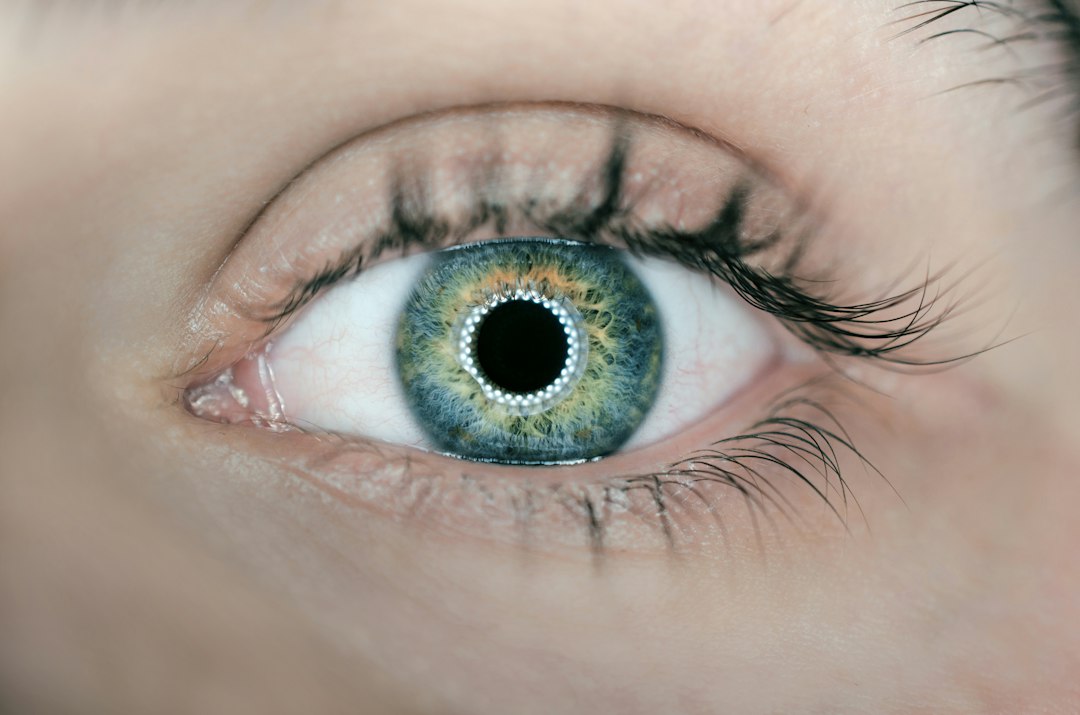
Yep, astigmatism can definitely get worse for some people. It’s not always a set-it-and-forget-it thing. While it often stabilizes in adulthood, there are various factors, from age to environmental changes, that can cause it to progress. Understanding these can help you manage your vision effectively.
1. Astigmatism Isn’t Always Static: It Can Change Over Your Lifetime
Astigmatism, which is essentially an imperfection in the curvature of your eye’s lens or cornea, causing blurred or distorted vision, isn’t necessarily a fixed condition from birth to old age. Many people assume that once they get an astigmatism diagnosis, their prescription will stay relatively stable. However, that’s not always the case. Your eyes are dynamic, and so can be your astigmatism. It can shift and evolve, sometimes subtly and other times more noticeably, depending on a variety of influences throughout your life. Think of it like your body changing over time – your eyes are part of that system.
How Age Plays a Role
Age is a significant factor in how astigmatism progresses. For many children, astigmatism can develop or change as their eyes grow. Then, it often stabilizes in early adulthood. However, the story doesn’t end there. A separate optometry report highlights that astigmatism can indeed change with age, especially after the mid-40s. It’s not uncommon for people in their mid-40s to experience shifts in their vision, and astigmatism can be part of that. Furthermore, some patterns of astigmatism can shift again in the mid-50s and beyond. This is often due to changes in the lens of the eye as it hardens and becomes less flexible, a natural part of the aging process that can impact how light focuses on the retina. So, regular eye exams become even more crucial as you get older to keep track of these potential changes.
The Impact of Eye Conditions
Certain eye conditions can also influence astigmatism. For instance, conditions that affect the cornea, such as keratoconus, can lead to a significant and often rapid worsening of astigmatism. Keratoconus causes the cornea to thin and bulge into a cone-like shape, severely distorting vision and increasing astigmatism. Similarly, scar tissue on the cornea from injuries or infections can alter its surface, leading to new or increased astigmatism. Even issues like chalazion (a blocked oil gland in the eyelid) can temporarily induce or worsen astigmatism by pressing on the cornea. Therefore, it’s important to address any new eye problems promptly, as they might have implications for your astigmatism.
Astigmatism is a common refractive error that can change over time, leading to concerns about whether it can worsen. For those interested in understanding more about this condition and its progression, a related article can be found at SmilePro Blog, which discusses various aspects of astigmatism, including its causes, symptoms, and potential treatments. This resource provides valuable insights for anyone looking to learn more about managing their eye health.
2. Lifestyle and Environment Can Influence Childhood Astigmatism Progression
Recent research paints a compelling picture of how environmental and lifestyle shifts can impact astigmatism, particularly in children. It’s a reminder that our daily habits and surroundings play a more significant role in our eye health than we might have previously thought. This isn’t just about genetics; it’s about how we live.
The Pandemic’s Unexpected Influence
A large 2025 study delivered some eye-opening findings regarding childhood astigmatism. It revealed that both the prevalence and severity of astigmatism in children increased significantly after the COVID-19 pandemic. This suggests a strong association between the major environmental and lifestyle changes brought about by the pandemic and the worsening of astigmatism in younger populations. We’re talking about shifts that affected millions of children globally, and their eyes responded.
Specific Data from Hong Kong Schoolchildren
To put some numbers to this, consider the situation among Hong Kong schoolchildren. Refractive astigmatism of at least 1.0 D (diopter, a unit of optical power) saw a substantial rise, jumping from 21.4% in 2015 to a notable 34.7% in 2022–2023. This isn’t a small bump; it’s a significant increase over a relatively short period. Alongside this, corneal astigmatism also increased, going from 59.8% to 64.7% during the same timeframe. These figures indicate a clear trend towards more widespread and potentially more severe astigmatism in this demographic.
The Link to Pandemic-Era Habits
The study further highlighted that the pandemic period was associated with a 20% higher risk of refractive astigmatism and a 26% higher risk of corneal astigmatism, even after accounting for other influencing factors. Researchers have pointed to changes in the developing cornea as a potential mechanism for this increase. What kind of changes are we talking about? Follow-up reporting has zeroed in on lifestyle shifts. Specifically, there was a dramatic increase in near work – more screen time for online learning, gaming, and entertainment – coupled with a significant decrease in outdoor exposure. Less time outdoors means less exposure to natural light and fewer opportunities for distance viewing, both of which are thought to be protective factors against refractive errors like astigmatism and myopia (nearsightedness). This suggests that our modern, screen-heavy lives might be inadvertently contributing to vision changes in the younger generation.
3. Surgical Interventions Can Both Induce and Correct Astigmatism
It might seem counterintuitive, but while surgery can be a solution for astigmatism, certain procedures can also introduce or worsen it. It’s a delicate balance of correcting one issue without inadvertently creating another. Understanding these dynamics is crucial, especially if you’re considering eye surgery.
Cataract Surgery and Astigmatism Management
Cataract surgery, a common procedure to remove clouded lenses and restore clear vision, presents a unique opportunity to address astigmatism. During this surgery, the natural lens of the eye is replaced with an artificial intraocular lens (IOL). This is where the astigmatism factor comes in. Clinical guidance in optometry reporting now suggests that full correction or even a slight overcorrection of astigmatism during cataract surgery may be beneficial. The idea here is to not just correct the current astigmatism but to proactively counter any potential future progression. By selecting specific IOLs, known as toric IOLs, surgeons can implant a lens that corrects for existing astigmatism, potentially preventing it from becoming a problem down the line. It’s a smart strategy that leverages one necessary surgery to improve overall long-term vision.
Refractive Surgery: A Double-Edged Sword
Procedures like LASIK (Laser-Assisted in Situ Keratomileusis) or PRK (Photorefractive Keratectomy) are designed specifically to correct refractive errors, including astigmatism, by reshaping the cornea. For many, these surgeries offer excellent, long-lasting results. However, in some cases, these surgeries can also induce or worsen astigmatism. This can happen if the corneal healing isn’t perfectly uniform, if the initial measurements weren’t precise enough, or in rare cases, due to underlying corneal instability. While modern techniques and diagnostic tools have significantly reduced these risks, they aren’t entirely eliminated. It underscores the importance of thorough pre-operative evaluations and choosing an experienced surgeon. The goal is always to improve vision, but the complexities of corneal reshaping mean there’s always a slight chance of an unintended outcome.
Post-Surgical Astigmatism and Its Management
Sometimes, even with the best surgical planning, astigmatism can appear or change after an eye operation. This could be due to healing processes, scar tissue formation, or subtle shifts in the eye’s structure. When this happens, additional interventions might be necessary. This could range from prescribing new glasses or contact lenses to, in some instances, a secondary laser enhancement procedure (a “touch-up” LASIK or PRK). The key is careful post-operative monitoring by your eye care professional. They can detect these changes early and recommend the most appropriate course of action to maintain or restore optimal vision. The goal is always to get you to the best possible visual outcome, even if it requires a few steps.
4. Uncorrected or Inadequately Corrected Astigmatism Can Lead to Problems
Leaving astigmatism uncorrected or wearing an inadequate prescription isn’t just about blurry vision; it can lead to a cascade of other issues. Your eyes and brain work hard to compensate for the distortion, and this effort can take a toll. It’s not just an annoyance; it can impact your daily life and potentially even other aspects of your vision.
Eye Strain and Headaches
One of the most common complaints from individuals with uncorrected astigmatism is eye strain. Because the eye is constantly trying to adjust and refocus to compensate for the irregular shape, the muscles around the eye work overtime. This continuous effort can lead to fatigue, burning, itching, and a general feeling of discomfort in the eyes. This eye strain often translates into headaches, particularly frontal headaches or those concentrated around the temples. If you find yourself frequently squinting or tilting your head to try and see more clearly, you’re likely experiencing this strain, and it’s a strong indicator that your astigmatism needs attention.
Amblyopia (Lazy Eye) in Children
In children, uncorrected astigmatism, especially if it’s significant or much worse in one eye than the other (a condition called anisometropia), can lead to a more serious problem: amblyopia, commonly known as “lazy eye.” When the brain receives persistently blurry or distorted images from one eye, it might start to favor the clearer image from the other eye, essentially “turning off” the input from the weaker eye. If not caught and treated early during critical periods of visual development, amblyopia can result in permanent vision loss in the affected eye, even if the underlying astigmatism is later corrected. This is why early and regular eye exams for children are so vitally important.
Reduced Visual Acuity and Quality of Life
Beyond the physical discomfort, uncorrected astigmatism significantly impairs visual acuity, meaning how clearly you can see details. This can make everyday tasks challenging and frustrating. Reading small print, recognizing faces from a distance, driving at night (due to halos and glares around lights), or performing detailed work can all become difficult. This reduction in visual quality can have a real impact on a person’s quality of life, affecting their ability to learn, work, and participate in hobbies. It’s not just about passing an eye chart test; it’s about experiencing the world clearly and comfortably. Proper correction can make a world of difference in regaining that clarity and improving daily function.
Astigmatism is a common refractive error that can change over time, leading to varying degrees of vision distortion. Many people wonder if their astigmatism can worsen as they age or due to other factors. For those seeking more information on this topic, you can explore a related article that discusses the progression of astigmatism and its implications for vision health. Understanding the nature of this condition can help individuals make informed decisions about their eye care. To learn more, visit this article for valuable insights.
5. Modern Solutions Offer Better Management and Correction Options
| Aspect | Details |
|---|---|
| Condition | Astigmatism |
| Definition | Irregular curvature of the cornea or lens causing blurred vision |
| Can it worsen over time? | Yes, astigmatism can change or worsen, especially during childhood or due to eye injury |
| Factors influencing worsening | Eye growth in children, eye trauma, eye surgery, keratoconus, or other corneal diseases |
| Typical progression | Usually stabilizes in adulthood but may fluctuate slightly |
| Symptoms of worsening | Increased blurriness, headaches, eye strain, difficulty focusing |
| Monitoring frequency | Eye exams every 1-2 years or as recommended by an eye care professional |
| Treatment options | Glasses, contact lenses, refractive surgery, orthokeratology |
The good news is that the field of optometry and ophthalmology is constantly advancing. We have more sophisticated tools and techniques than ever before to diagnose, monitor, and correct astigmatism, offering more tailored and effective solutions for individuals. The days of one-size-fits-all vision correction are long gone.
Advanced Diagnostic Tools
Modern eye exams go far beyond simply reading an eye chart. Today, optometrists and ophthalmologists use a range of advanced diagnostic tools to precisely map the curvature of your cornea and lens. Corneal topography, for instance, creates a detailed “elevation map” of the corneal surface, revealing subtle irregularities that might be missed with standard tests. Wavefront aberrometry measures how light passes through your entire optical system, identifying higher-order aberrations that can cause complex visual distortions not fully corrected by standard glasses or contact lenses. These detailed measurements allow for a much more accurate understanding of your unique astigmatism, leading to more precise prescriptions and treatment plans.
Toric Contact Lenses and Glasses
For many people, astigmatism is effectively corrected with specially designed toric contact lenses or glasses. Toric lenses have a specific orientation and varying power zones to compensate for the irregular shape of the cornea or lens. Advancements in contact lens technology mean that toric lenses are now available in a wider range of materials (including daily disposables and extended wear options) and parameters, offering better comfort, stability, and visual clarity than ever before. Similarly, spectacle lenses can be precisely ground to correct astigmatism, often incorporating free-form technology for clearer vision across the entire lens surface. These are no longer just basic fixes; they are sophisticated optical instruments tailored to individual needs.
Patient-Specific Wavefront-Guided Lenses
For those with more complex or irregular astigmatism patterns, generic corrections might not cut it. This is where truly patient-specific solutions come into play. Newer fitting and measurement approaches are highlighting the benefit of wavefront-guided lenses. These lenses are custom-designed based on the precise wavefront measurements of your eye, correcting not just the basic astigmatism but also the subtle, higher-order aberrations that can cause issues like glare, halos, and reduced contrast sensitivity, especially in low light. This level of customization allows for a truly optimized visual outcome, particularly for individuals who may not achieve satisfactory vision with conventional corrective methods. It’s like having a bespoke suit for your eyes – perfectly fitted and tailored.
6. Regular Eye Exams are Your Best Defense
When it comes to monitoring and managing astigmatism, there’s no substitute for consistent, professional eye care. You might not always notice subtle changes in your vision, but a trained eye care professional has the tools and expertise to detect them early.
Why Annual Check-ups Matter
Think of your annual eye exam as a preventative check-up, much like a regular dental visit or a physical. It’s not just about getting a new prescription when you feel your vision has worsened. During these exams, your optometrist or ophthalmologist can detect subtle changes in your astigmatism that you might not be aware of. They can assess your overall eye health, check for underlying conditions that might influence astigmatism (like keratoconus), and ensure your current correction is still optimal. For children, annual exams are even more critical, especially given the recent findings about astigmatism progression in younger populations, to catch and address issues during critical developmental stages.
Detecting Subtle Changes
Even if your vision seems stable, your eye care provider can use specialized equipment to measure the curvature of your cornea and the refractive power of your eye. These measurements can reveal minor shifts in astigmatism that might indicate progression, even before you consciously notice a difference in your vision quality. Early detection means earlier intervention, whether that’s an updated prescription or further investigation into the cause of the change. This proactive approach can prevent eye strain, headaches, and other symptoms from becoming chronic issues.
Personalizing Your Care Plan
Your eye doctor can also discuss lifestyle factors that might be contributing to changes in your vision, such as prolonged near work or screen time, especially if you have risk factors for progression. They can offer advice on eye ergonomics, breaks from screens, and the importance of outdoor time. If astigmatism is indeed worsening, they can explore all available options, from new glasses or contact lenses to discussing potential surgical interventions or specialized lenses. Regular eye exams ensure that your vision care plan evolves with your eyes, providing you with the most effective and personalized solutions throughout your life. It’s about having a partner in your eye health journey.
7. Understanding the Different Types of Astigmatism
Astigmatism isn’t a single, uniform condition; it comes in various forms, and understanding these distinctions can help you better grasp how and why it might change or worsen. Not all astigmatism is created equal, and their underlying causes and potential for progression can differ.
Regular vs. Irregular Astigmatism
The most common type is regular astigmatism. This occurs when the cornea has an oval shape, like a football, with two primary curves that are perpendicular to each other. This is typically correctable with standard glasses, toric contact lenses, or refractive surgery. Regular astigmatism can worsen over time, often due to aging changes in the lens or shifts in corneal shape.
Irregular astigmatism, on the other hand, is less common and more complex. Here, the cornea’s surface is uneven or has multiple curves that are not symmetrically opposed. This can be caused by corneal scars, injuries, or conditions like keratoconus. Irregular astigmatism is often much harder to correct with standard glasses or soft contact lenses and typically requires specialized rigid gas permeable (RGP) lenses, scleral lenses, or even corneal transplant surgery in severe cases. This type of astigmatism is more prone to significant worsening, especially if the underlying condition causing it progresses.
Myopic, Hyperopic, and Mixed Astigmatism
Astigmatism is also categorized by how it affects light focus in relation to the retina, often combined with myopia (nearsightedness) or hyperopia (farsightedness):
- Myopic astigmatism: One or both principal meridians of the eye are nearsighted. If both are myopic, they are at different degrees.
- Hyperopic astigmatism: One or both principal meridians are farsighted. If both are hyperopic, they are at different degrees.
- Mixed astigmatism: One principal meridian is nearsighted, and the other is farsighted.
These classifications help determine the specific type of corrective lenses or surgical approach needed. Changes in your overall refractive error (whether you become more nearsighted or farsighted) can also influence the degree and type of astigmatism you experience. For instance, age-related changes in the lens can shift the balance between these types, leading to a perceived worsening or change in your astigmatism. Your eye doctor will determine your specific type of astigmatism to provide the most effective and targeted correction.
FAQs
Can astigmatism worsen over time?
Yes, astigmatism can worsen over time. It is possible for the shape of the cornea or lens in the eye to change, leading to an increase in astigmatism. Regular eye exams are important to monitor any changes in your vision.
What factors can contribute to the worsening of astigmatism?
Factors such as genetics, eye injuries, certain eye surgeries, and conditions like keratoconus can contribute to the worsening of astigmatism. It is essential to consult with an eye care professional to determine the specific cause of any changes in your astigmatism.
Can wearing the wrong prescription glasses make astigmatism worse?
Wearing the wrong prescription glasses can cause eye strain and discomfort, but it typically does not make astigmatism worse. However, it is important to wear the correct prescription glasses or contact lenses to ensure clear vision and reduce any potential eye strain.
Is there a way to prevent astigmatism from worsening?
While there is no guaranteed way to prevent astigmatism from worsening, taking care of your overall eye health can help. This includes regular eye exams, wearing the correct prescription eyewear, protecting your eyes from injury, and following a healthy lifestyle.
Can surgery help improve astigmatism that has worsened?
Refractive surgeries such as LASIK or PRK can help improve astigmatism in some cases. However, the suitability of surgery depends on various factors, and it is essential to consult with an eye care professional to determine the best course of action for your specific situation.
Leave a Reply